

Keep Your Tint Flawless: The Do's and Don'ts of Cleaning Tinted Windows

Keep Your Tint Flawless: The Do's and Don'ts of Cleaning Tinted Windows

Congratulations on your investment in premium window tint! You're already enjoying the benefits: a cooler ride, protection from harmful UV rays, reduced glare, and a sleek, custom look. To ensure that "freshly tinted" appearance lasts for years to come, a little knowledge about proper cleaning goes a long way.


Using the wrong chemicals or tools can cause irreversible damage like scratches, bubbling, or discoloration. But don't worry—keeping your tint in pristine condition is easy. This guide will walk you through the simple do's and don'ts for a perfect, streak-free shine every time.


First and Foremost: Let It Cure!

This is the most critical rule. After your tint is installed, it needs time to "cure." This means allowing all the application moisture to evaporate so the film's adhesive can fully bond to the glass.

  • DO: Wait 3-5 days before rolling down or cleaning the inside of your newly tinted windows. This period might be longer during cold or cloudy Michigan weather.
  • DON'T: Panic if you see a slight haziness or small water pockets. This is a normal part of the curing process and will disappear on its own.


The "Do's": Your Tint-Safe Cleaning Kit

You don't need expensive, complicated products. The best tools for the job are simple and gentle.

  • DO Use an Ammonia-Free Cleaner. This is non-negotiable. Ammonia is the number one enemy of window tint; it breaks down the adhesive and can cause bubbling and peeling over time. A simple solution of water with a few drops of mild soap (like baby shampoo) works perfectly.
  • DO Use Soft Microfiber Towels. The surface of window film is more delicate than glass. High-quality microfiber towels are soft enough that they won't leave the fine scratches that cheaper paper towels can. We recommend having at least two clean towels on hand.


The "Don'ts": What to Avoid at All Costs

Keeping this short list in mind will prevent 99% of all tint damage.

  • DON'T Use Blue Glass Cleaners. The vast majority of common household glass cleaners (especially the blue ones) contain ammonia. Always check the label before you spray!
  • DON'T Use Abrasive Tools. Never use razor blades, scouring pads, scrub brushes, or coarse paper towels on your tint. They will instantly scratch and ruin the film.
  • DON'T Apply Tape or Stickers. Do not apply any kind of adhesive tape, suction cup phone holders, or stickers to the interior side of the tinted window. Removing them can pull the film right off the glass.


The Perfect, Streak-Free Cleaning Method

Ready to clean? Follow these simple steps for a flawless finish.

  1. Dry Wipe First: Use a clean, dry microfiber towel to gently wipe away any loose dust or debris from the window surface.
  2. Apply Cleaner to Towel: Lightly spray your ammonia-free cleaner onto a second clean microfiber towel, not directly onto the window. This prevents drips from running down into your door panel electronics.
  3. Wipe Gently: In a consistent motion (from top to bottom), wipe the window surface. You don't need to apply heavy pressure.
  4. Buff Dry: Immediately follow up with another clean, dry microfiber towel to buff the window dry. This final step is the key to removing any remaining moisture and preventing streaks.


Proper care is simple and is the best way to protect your investment for the long haul.


Have questions about caring for your vehicle's tint, or ready to get a flawless, professional installation from the start? Contact the tint experts at Auto Trim Group in Kalamazoo today!


March 12, 2026
I’ve rewritten the March blog to feature your original, punchy title while ensuring every technical detail—from the SPF 1,000 claim to the LLumar IRX, CTX, and ATC series—aligns perfectly with your official service page. Meta Description (SEO): Don’t let the returning spring sun blind you on Kalamazoo roads. Discover
February 16, 2026
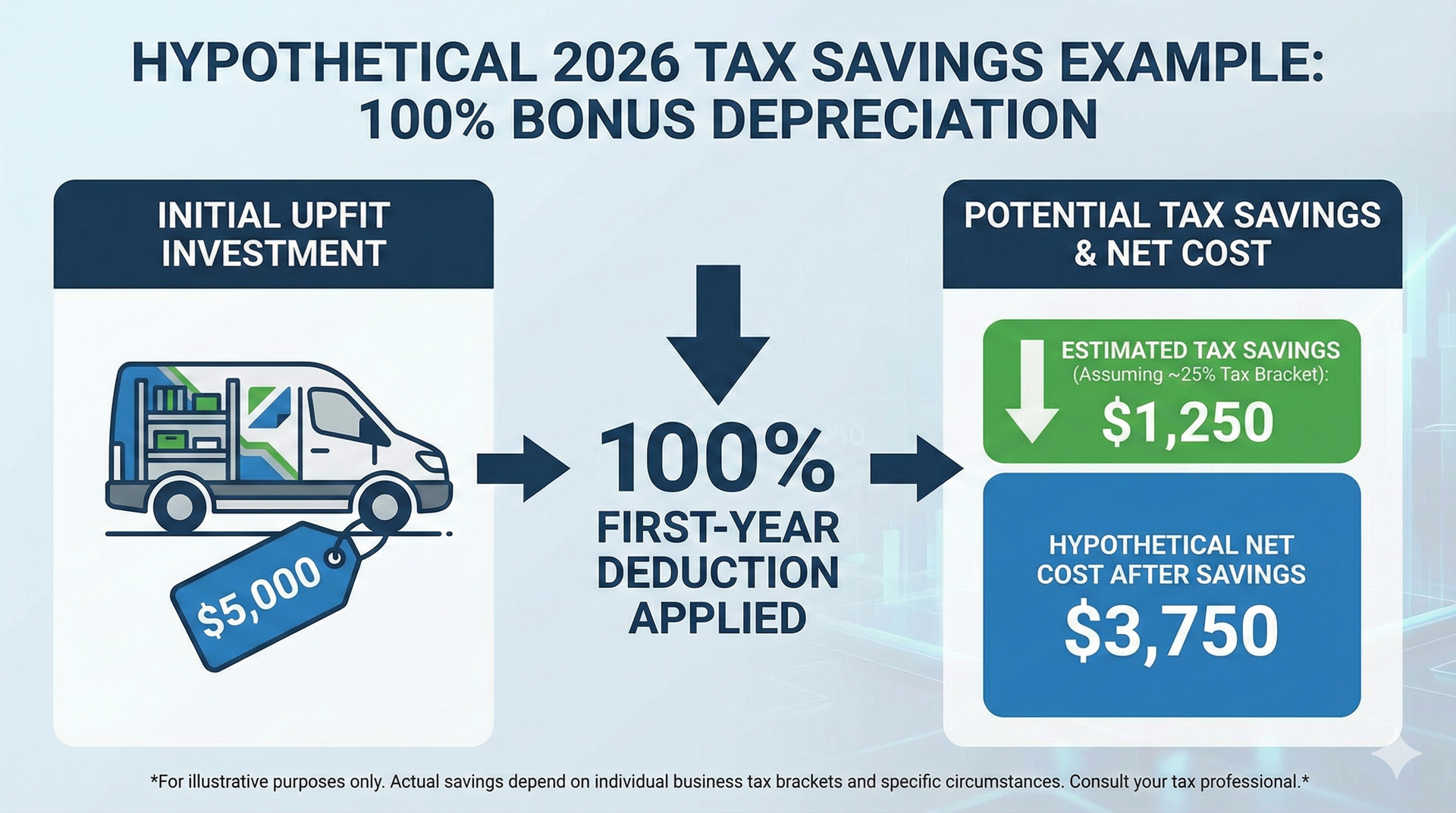
How 100% Bonus Depreciation Can Help You Fully Outfit Your Fleet in 2026
January 28, 2026
Is your fleet ready for the spring rush? Don't wait until your busy season to think about branding. Learn why winter is the perfect time to design and install fleet graphics in Kalamazoo so you hit the ground running in April without costly downtime.
January 14, 2026
Shivering in your car every morning? Don't let misinformation keep you cold. We debunk the top 3 myths about remote starter installation in Kalamazoo, including warranty concerns and vehicle age.
December 16, 2025
The law has changed, and holding your phone while driving is now illegal in Michigan. Here is the easiest, most enjoyable way to stay compliant and modernize your vehicle at the same time.
December 5, 2025
Give the Gift of Luxury: Why Heated Seats Are the Best Present Under the Tree
By Forget the sweaters and gift cards. Give the one present that delivers daily luxury, comfort, and safety through the longest months of the year. December 1, 2025
Forget the sweaters and gift cards. Give the one present that delivers daily luxury, comfort, and safety through the longest months of the year.
October 17, 2025
While Your Competition Hibernates, Make a Statement: Why Winter is Best for a Vehicle Wrap
October 12, 2025
The West Michigan Truck Owner's Guide to Choosing a Tonneau Cover
September 29, 2025
The Section 179 Advantage: How Upgrading Your Work Van is a Smart Tax Write-Off As a business owner in West Michigan, you're constantly looking for ways to make smart financial decisions that help your company grow. One of the most powerful but often underutilized tools available to business owners is the Section 179 deduction from the IRS tax code. This incentive is designed to encourage businesses to invest in themselves. When understood and used correctly, it can make a significant financial impact, especially when it comes to upgrading your commercial fleet. Before you finalize your year-end financials, it's worth understanding how this tax advantage can turn a necessary equipment purchase into a savvy tax write-off. What is the Section 179 Deduction? A Simple Guide In simple terms, Section 179 allows a business to deduct the full purchase price of qualifying new or used equipment from their gross income in the year it was purchased and put into service. Instead of depreciating the asset over several years, you get to write off the entire expense right away. This directly lowers your taxable income for the year, which can result in a substantial tax saving. For a detailed breakdown of the official rules and limits, the best resource is the official IRS explanation of Section 179. How Do Fleet Upgrades Qualify? This is where it gets powerful for businesses that rely on vehicles. While there are specific rules for the vehicle purchase itself, much of the equipment you add to your work vehicles can qualify. To be eligible, the equipment must be purchased and put into service between January 1 and December 31 of the tax year. Common qualifying upgrades include: Permanent Shelving & Storage Systems: Custom shelving, bins, and toolbox systems that are bolted into your work van or truck are considered essential equipment. Explore our Commercial Upfitting solutions to see qualifying options. Ladder & Material Racks : Heavy-duty ladder and material racks that are permanently affixed to the vehicle to perform daily work functions. Safety & Job Site Equipment: This can include professionally hardwired equipment like commercial safety lighting , power inverters, and permanently installed air compressors. GPS & Fleet Tracking Hardware : The physical hardware for a GPS tracking system is a common qualifying business asset that improves efficiency and security. Vehicle Wraps : In many cases, a full or partial vehicle wrap used for advertising and branding can be classified as a marketing expense that is fully deductible. A wrap is a perfect way to boost your brand visibility . The Advantage for Your Business: An Example Imagine your company is profitable this year and you decide to invest $10,000 in December to properly upfit a new work van with shelving, a ladder rack, and a branded wrap. Instead of depreciating that $10,000 over several years, Section 179 could allow you to deduct the entire $10,000 from your business income this year. If you are in a 25% tax bracket, for example, that could translate to a direct tax saving of $2,500. You get the benefit of a more efficient and professional vehicle and you lower your tax bill. For a deeper dive into how this works for different business types, resources like the U.S. Small Business Administration (SBA) offer excellent financial guidance. Important Considerations for West Michigan Businesses The Deadline is Key: The equipment must be purchased and placed into service by midnight on December 31, 2025, to count for the 2025 tax year. This is why planning in Q4 is so critical. Professional Installation Matters: Having your equipment professionally installed provides clear documentation that the asset was placed into service for business use. Consult Your Tax Professional: This is the most important step. The rules for Section 179 can be complex, and a qualified accountant is the only person who can provide official advice and confirm how these deductions apply to your specific financial situation. Make a Smart Investment Before the Clock Runs Out Upgrading your fleet is a proven way to increase efficiency and project a more professional image. Knowing that you can also leverage it for a significant tax advantage makes it one of the smartest year-end moves a business can make. Don't wait until the last minute. Contact the commercial fleet experts at Auto Trim Group today to get a quote on the qualifying equipment you need. We'll help you get your vehicles outfitted and ready for a more profitable new year. Important Disclaimer: Please Read Carefully The content provided in this article, "The Section 179 Advantage: How Upgrading Your Work Van is a Smart Tax Write-Off," is intended for informational and educational purposes only. It is not intended to constitute, and should not be interpreted as, professional legal, financial, or tax advice. Reliance on any information provided in this article is solely at your own risk. Tax laws and regulations are complex, subject to change, and their application can vary widely based on the specific facts and circumstances involved. We strongly recommend that you consult with a qualified and licensed professional, such as a Certified Public Accountant (CPA) or tax attorney, to understand how the Section 179 deduction and other tax codes apply to your specific business and financial situation before making any investment or financial decisions. Auto Trim Group, Inc. is a vehicle customization and upfitting company and does not provide financial or tax services. We assume no responsibility or liability for any errors or omissions in the content of this article or for any actions taken in reliance on the information provided.